
Fintechs, in the banks's street corner

Although Fintech seems like a buzzword, one of those used in the media to attract the attention of consumers, as if it were an important phenomenon that should be observed, the truth is that it appeared many decades ago - and it has had its ups and downs like any other innovation where consumers reach a point where they consider that a level of "good enough" has been reached.
What is it for?
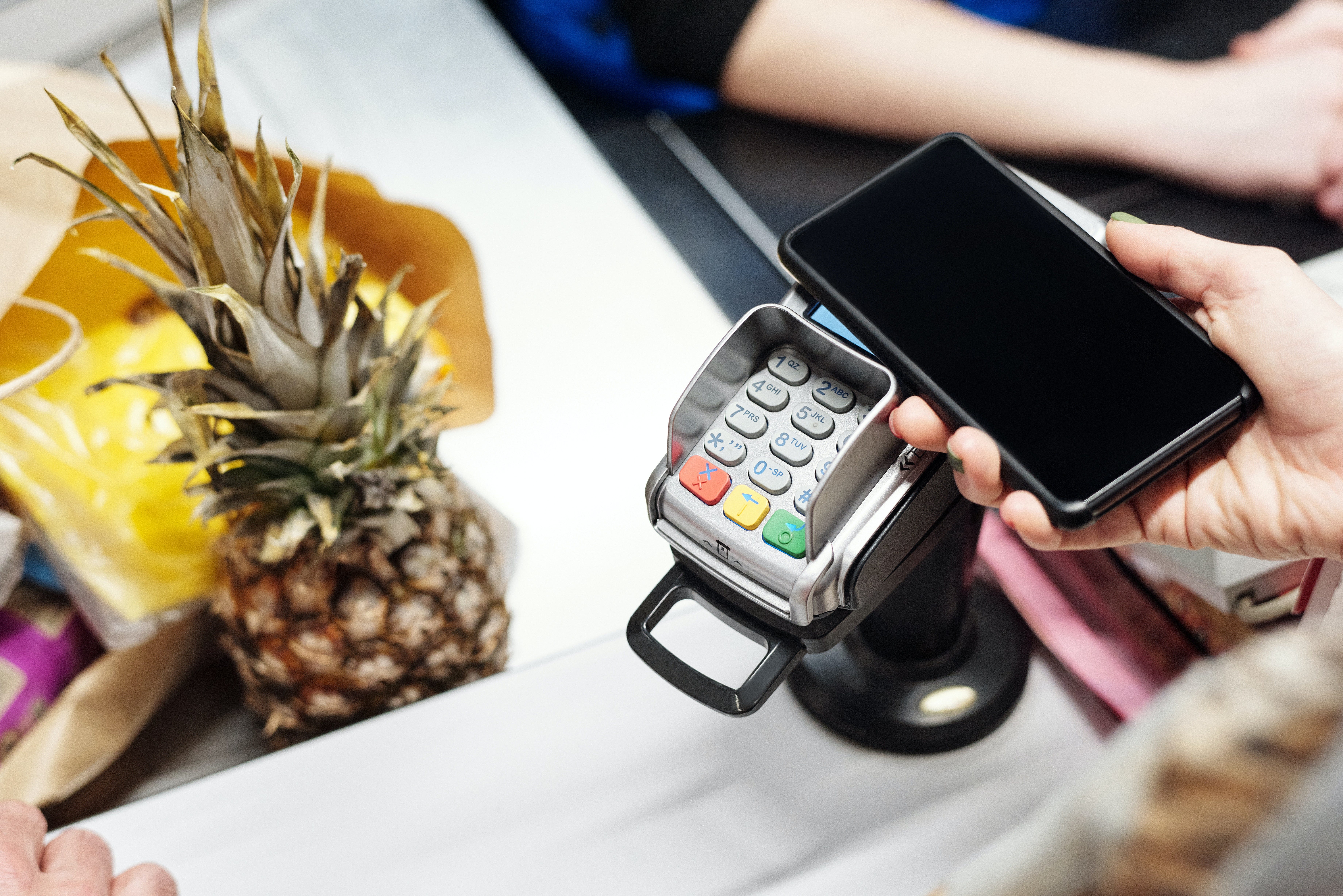
Fintech, an acronym for finance and technology, proposes the management of financial services facilitated by technology, in favor of clients. The Fintech model proposes the connection of information technologies - for example, cloud computing, mobile Internet - with typical commercial activities of the financial services industry (payments, loans, transfers, among other financial operations).
In context
The first fintech, which defined our habits, were credit cards (in the fifties). Then came the automatic teller machine, the ATM, in the 1960’s (The costs of banking transactions got cheaper, bank robberies also decreased in branches [1]). Thirty years later, with the Internet established, online banking emerged (Some specialists call ventures directly related to banking, Sustainable Fintechs). But in the late nineties, the game changes, the Internet and mobile phones drive the emergence of new players who do not belong to the financial sector, but who are very well received in the financial technology market, appear the called disruptive Fintechs. And global investments in fintech becomes the world's largest market.
Banking Services
Put simply, banking services - massive or retail - fall into three categories:
The banks,
They receive deposits from their clients and provide a safe place to keep the money, offer an interest plan, the backing of that deposit, in case some 'event' destroys the commercial infrastructure (social, political, natural, etc.) and they manage , with governments, the existence of effective regulation.
They make it easy for your payments to be effective through the use of your money, cards or electronic transfers (As I wrote, I remembered that there are still banks / people using checks).
and they lend money (that means they support you with mechanisms or systems to make payments).
Fintech services
These same services —those of traditional Banking— have evolved with the fintech companies, in addition, some decentralized services (those that no longer need of the "Man In The Middle") are added to the portfolio, such as person-to-person financial transactions —Peer to Peer, or P2P for short — which includes purchases, donations, loans, savings and investment (the whole rainbow of money use).
Why are fintech companies gaining ground?
One of the most obvious reasons fintechs are gaining ground and conquering customers that have traditionally been served by well-established providers is because fintech companies are offering new products and solutions that meet customer needs in the first place. who previously were not satisfied or were not sufficiently available for traditional services.
For example, street vendors can receive and make payments using a mobile phone or tablet. P2P loans, another example, enable individuals and businesses to finance themselves by eliminating disintermediation.
The opportunity provided by a concept is another reason for the advancement of fintech companies. The case of factoring small businesses giving them the ability to quickly obtain working capital in exchange for small commissions.
Fintech companies, in general, are companies that develop products supported by information and communications technologies, with a focus on innovating for consumers concentrated in areas without access to banking - voluntarily and involuntarily - or for internet-based business models. Therefore, they must be agile, accessible and profitable enough to compete with the traditional financial system.
The future of the banking sector
The truth is that, although many fintech products still use the pipes of the banking system, in the medium term the trend is that we will see more services and products that completely bypass traditional banking systems (As is happening, these days, in China and Africa). This does not mean that the banking system is at risk —because it has the resources to transform itself— but it is clear that clients, although they will always need financial services, the door of a bank will not always be the first door knocked.
Reinvent yourself
The —actual—disruption of fintech could be seen as an opportunity for traditional banking to reinvent itself. If you can not beat them, join them.
Some financial institutions have taken that step by creating incubators, establishing specialized hedge funds, associations, or simply acquiring new companies. The strategies differ, but the goal remains the same: survive and even benefit from digital disruption.
Hopefully it's good for everyone.
References
[1] Roger Leroy Miller / Robert W. Pulsinelli, Modern Money and Banking, 2nd Edition, McGraw-Hill, 1985; ISBN: 0-07-042212-5;
[2] Christensen, C.M., 2003. The innovator’s dilemma: The revolutionary book that will change the way you do business. The American Political Science Review. Cincotti, S., Sornette, D., Treleaven, P., Battiston, S., Caldarelli, G., Hommes, C., Kirman.